Canada's recycling infrastructure is provincially administered, which means there is no single national standard for what packaging materials are accepted at the curbside or at depot return locations. A container that is recyclable in British Columbia may not be accepted in New Brunswick, and vice versa. This variation reflects differences in available processing facilities, commodity markets, and the specific extended producer responsibility (EPR) frameworks that each province has established.
For packaging designers, brand owners, and importers, understanding which materials are broadly accepted — and which remain problematic — is relevant to packaging specifications and end-of-life claims made on-pack or in environmental reports.
Consistently Accepted Materials
PET (#1) — Polyethylene Terephthalate
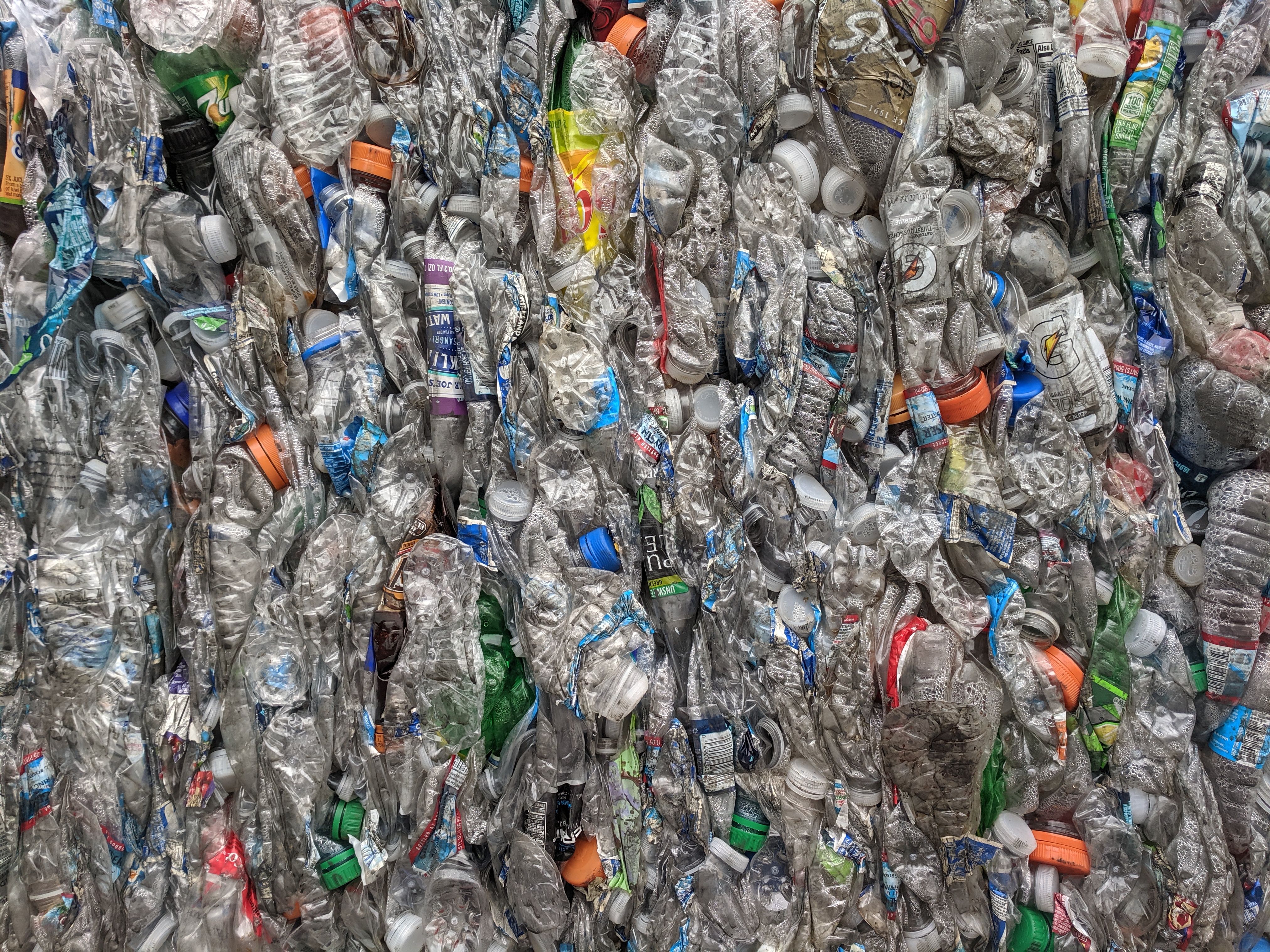
PET is the most consistently accepted plastic across Canadian provincial programmes. It is the material used for beverage bottles, some food trays, and certain blister packs. The market for recovered PET is well-established; it is processed into fibre for textiles, new bottles (in food-grade applications), and strapping material. Most provincial blue box and depot programmes accept PET bottles and jugs with good consistency.
PET trays and clamshells present more variation. Some programmes accept them; others do not due to contamination concerns or the smaller geometry of sorting machinery. Black PET trays — common in ready-meal packaging — are particularly problematic because carbon black pigment interferes with near-infrared (NIR) sorting systems used at materials recovery facilities (MRFs).
HDPE (#2) — High-Density Polyethylene
HDPE bottles and jugs (detergent, milk, shampoo) are accepted in virtually all Canadian provincial programmes. The commodity value of recovered HDPE is stable. Flexible HDPE film — plastic bags, shrink wrap — is generally not accepted in curbside streams due to MRF sortability issues, though several provinces operate or support separate flexible film collection through retail drop-off programmes.
Corrugated Cardboard (OCC)
Old corrugated containers (OCC) are among the highest-volume and most reliably recyclable packaging materials in Canada. Both residential and commercial streams accept corrugated cardboard. The Canadian corrugated sector has established domestic markets for recovered fibre, and corrugated makes up a significant proportion of the material collected through EPR programmes in provinces where these are active.
Cardboard that has been waxed — historically used for produce boxes — is not accepted in paper recycling streams because wax coatings prevent pulping. Moisture or grease contamination can also reduce the acceptability of corrugated at some facilities, though lightly soiled pizza boxes are accepted in most programmes.
Glass
Glass bottles and jars are accepted through deposit-refund systems in all provinces. Deposit values vary (typically $0.10–$0.40 per container depending on size and province). The Brewers Association and provincial deposit administrators operate the majority of depot return infrastructure for beverage containers. Glass recovered through deposit programmes is primarily directed to reuse (in bottle-to-bottle closed-loop systems for some beverage categories) or to aggregate and fibre uses.
Flat glass (windows, mirrors) and ceramics are not part of beverage container programmes and should not be mixed with packaging glass.
Materials with Variable or Limited Acceptance
Polystyrene (PS #6)
Expanded polystyrene (EPS) foam — used for protective packaging, meat trays, and coffee cups — is not accepted in most provincial curbside programmes. The low density of EPS relative to its volume makes collection and transport economically challenging. Federal regulations under CEPA prohibit certain single-use EPS food service items. Some municipalities and provinces have supplementary EPS drop-off or densification programmes, but coverage is not widespread.
Multi-Layer and Flexible Packaging
Pouches, flexible laminated packaging, and multi-layer films present the most significant recycling challenge in Canadian packaging streams. Materials such as chip bags, coffee pouches, and squeeze pouches combine layers of PET, aluminium, and polyethylene in ways that cannot be separated by current processing equipment. These materials are generally directed to residual waste in blue box programmes.
Some initiatives — including certain retailer and brand-operated take-back programmes — accept flexible packaging for chemical recycling or other recovery processes, but these cover a small fraction of the volume entering the market.
PP (#5) — Polypropylene
Polypropylene acceptance in Canadian curbside programmes improved over the period 2020–2024 as MRF sorting technology improved and secondary markets for recovered PP developed. Rigid PP containers (yogurt tubs, deli containers) are now accepted in most major provincial programmes. PP film and flexible PP formats remain largely outside accepted streams.
Provincial EPR Frameworks
Extended producer responsibility programmes shift the cost of recycling collection and processing from municipal taxpayers to the companies that place packaging on the market. By May 2026, the following provinces have active or transitioning EPR programmes for packaging:
- British Columbia: Recycle BC administers the residential packaging and paper programme. Producers and brand owners must be registered and pay fees based on material type and weight.
- Ontario: Blue Box programme transitioned to full producer responsibility under amendments to the Resource Recovery and Circular Economy Act. Producers file reports and fund collection through the Circular Materials framework.
- Quebec: ÉEQ (Éco Entreprises Québec) administers Quebec's compensation programme. Quebec is moving toward full producer responsibility for the municipal selective collection system.
- Manitoba, Saskatchewan, Nova Scotia, Prince Edward Island, New Brunswick: All have varying forms of industry stewardship or multi-material recycling programmes with producer funding obligations.
- Alberta: Operates beverage container and electronics recycling stewardship programmes; broader packaging EPR was under consideration.
Producers and importers placing packaging on Canadian markets should verify current registration requirements with the relevant provincial stewardship authority, as programme scope and fee structures are subject to revision.
Packaging Design and Recyclability
Several design decisions affect whether a package is accepted and recovered effectively:
- Material clarity: Clear PET bottles have higher commodity value than coloured PET. Where possible, clear or natural-coloured packaging tends to achieve better recovery outcomes.
- Label removal: Sleeve labels made from a different resin than the container body can contaminate the recovered material stream if they cannot be separated at the MRF. Pressure-sensitive labels from compatible materials or easily removed sleeves are preferable.
- Closures: HDPE and PP caps on PET bottles are generally tolerated, as they are separated during processing. Metal closures on glass jars are separated magnetically. Mixed-material closures (e.g., metal ring with plastic disc) can create separation challenges.
- Adhesives and coatings: Adhesives used to attach labels or seams can interfere with paper recycling if they do not disperse during pulping. Certain barrier coatings on paper-based packaging render it non-recyclable.
The Recycling Council of Canada and provincial stewardship organisations publish material acceptance lists that are updated periodically. Packaging designers should reference current lists rather than generic recyclability claims when specifying materials for the Canadian market.
Related Articles
For information on compostable alternatives to conventional plastics, see A Practical Guide to Biodegradable Packaging for Canadian Businesses. For supply chain context, see Sustainable Supply Chain Practices: Packaging Choices Across the Distribution Network.
Last updated: May 25, 2026. Programme details and accepted materials lists are subject to change. Verify current requirements directly with the relevant provincial stewardship authority.