Sustainable Packaging — Canada
Eco-Friendly Packaging & Recyclable Materials
Covering biodegradable packaging, recyclable material standards, and supply chain practices relevant to Canadian businesses and the broader market.

Latest Articles
Recent Coverage
A Practical Guide to Biodegradable Packaging for Canadian Businesses
An overview of compostable and biodegradable packaging materials — what certifications exist in Canada, which material categories are most widely adopted, and where the regulatory landscape currently stands.
Read article →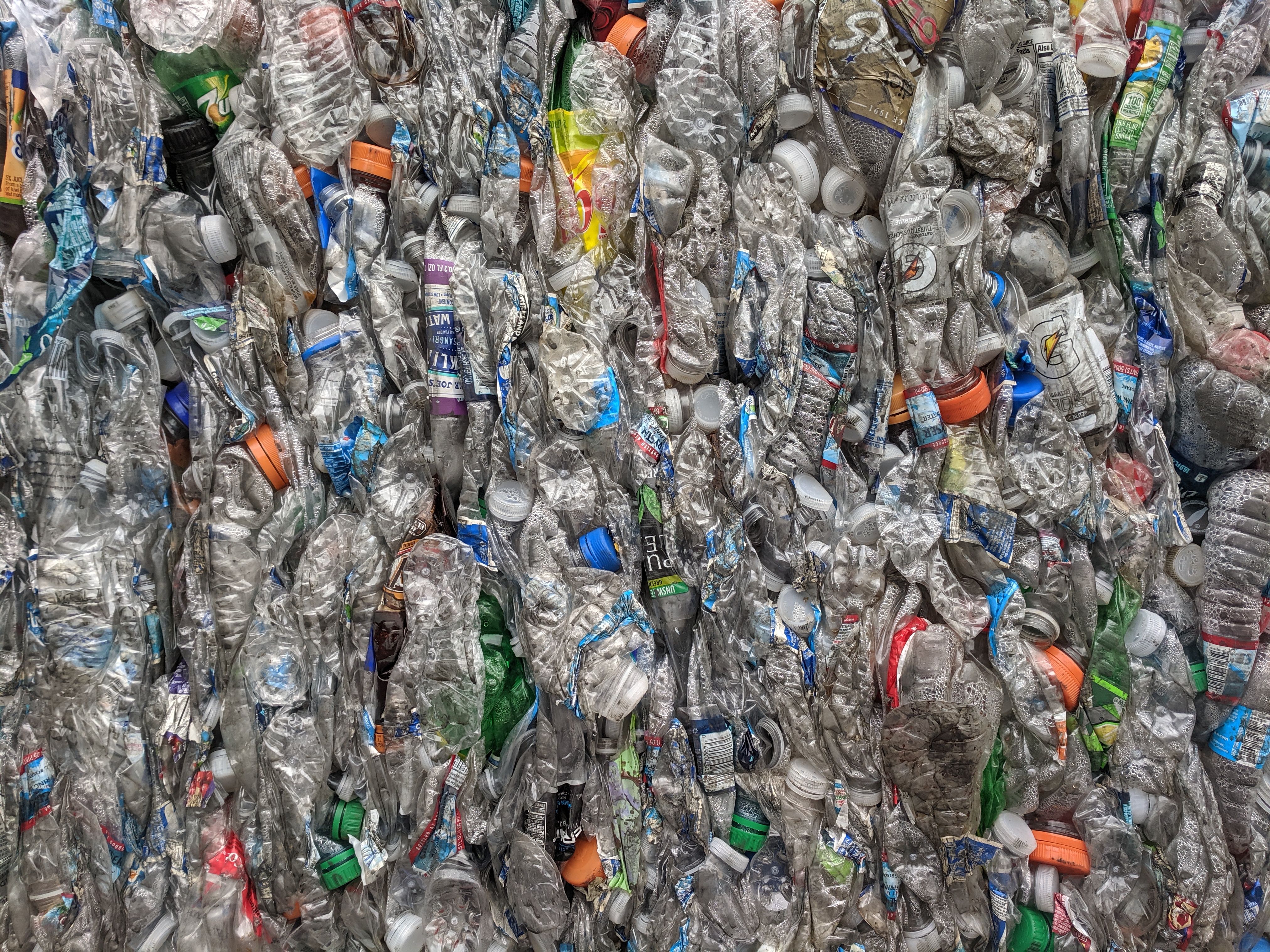
Recyclable Packaging Materials: What Canada's Provincial Programs Accept
Provincial recycling programs across Canada differ considerably in what they accept at the curbside. This article maps out material categories — PET, HDPE, glass, paper — and what businesses need to know about packaging design decisions.
Read article →
Sustainable Supply Chain Practices: Packaging Choices Across the Distribution Network
How Canadian distributors and manufacturers are adjusting packaging specifications across warehouse and transport operations — from secondary packaging formats to end-of-life material planning.
Read article →Topic Overview
Key Areas
Compostable & Plant-Based
Materials such as PLA (polylactic acid), bagasse, and moulded pulp are increasingly used for food service packaging. Compostability certifications in Canada are governed by BNQ and CSA standards.
Conventional Recycling Streams
PET bottles, HDPE containers, corrugated cardboard, and glass remain the most reliably recyclable materials across Canada's provincial extended producer responsibility (EPR) frameworks.
Canadian Regulatory Context
Federal single-use plastics regulations took effect under CEPA. Provincial EPR programmes — operating in BC, Ontario, Quebec, and other provinces — place recycling cost obligations on producers and importers.
Recognised Standards
The BNQ 9011-911 standard is the primary Canadian certification for compostable packaging. FSC and PEFC certifications apply to paper and wood fibre materials sourced from responsibly managed forests.
Designing for End-of-Life
Packaging design decisions — material choice, adhesives, inks, and multi-layer construction — directly affect recyclability. Single-material designs generally achieve higher recovery rates than laminated alternatives.
Packaging Across Distribution
Secondary and tertiary packaging (stretch wrap, pallets, void fill) represents a significant material volume in distribution operations. Alternatives to expanded polystyrene and single-use film are increasingly available.
Reference
Material Comparison
| Material | Category | Curbside Recyclable (Canada) | Compostable Certified | Common Use |
|---|---|---|---|---|
| PET (#1) | Recyclable | Yes — most provinces | No | Beverage bottles, trays |
| HDPE (#2) | Recyclable | Yes — most provinces | No | Jugs, caps, bags |
| Corrugated cardboard | Recyclable | Yes — widely | No | Shipping boxes, secondary packaging |
| Bagasse | Compostable | No | BNQ / BPI eligible | Food containers, plates |
| PLA | Compostable | No — not in most streams | BNQ / DIN CERTCO | Cold cups, cutlery, film |
| Moulded pulp | Compostable / Recyclable | Yes (uncoated) | Eligible (uncoated) | Egg trays, electronics packaging |
| Glass | Recyclable | Yes — deposit programs | No | Bottles, jars |